Practical Planning for a Resilient Heating and Cooling System
First, assess your building’s thermal profile before touching equipment decisions. Windows, attic depth, sun exposure, and air leakage define how hard your system must work. A quick walkthrough with a notepad helps document rooms that feel stuffy or drafty and moments when temperatures swing. This baseline guides whether you need right-sizing, duct remediation, or targeted insulation upgrades, and prevents overspending on capacity you won’t fully use.
Meanwhile, scope your airflow path from return to supply. Duct diameter, run length, and turns all influence static pressure, which can sabotage otherwise well-chosen equipment. If vents are noisy or distant rooms lag, a duct inspection pays off. Air duct cleaning can restore designed airflow, while sealing and minor layout tweaks often reduce strain, cut noise, and improve comfort without a full system replacement.
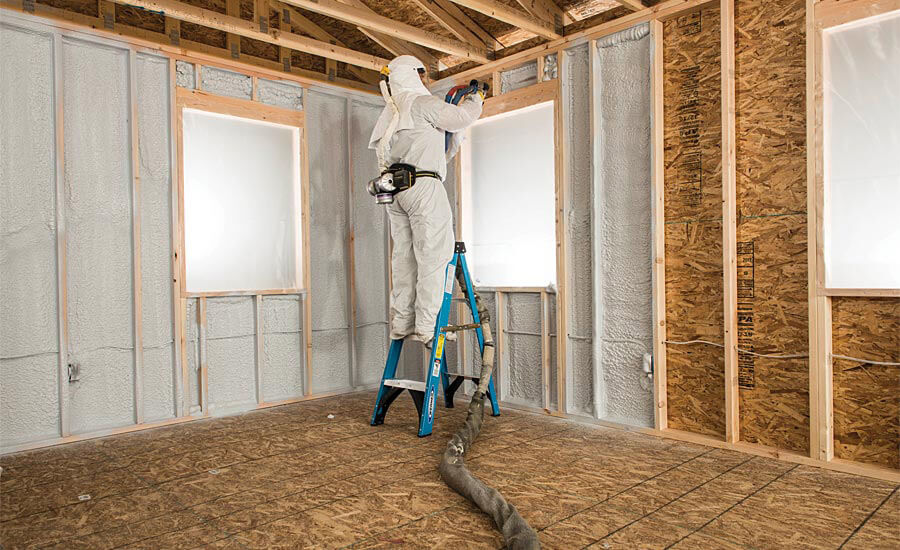
Beyond that, stage envelope improvements ahead of equipment selection. Spray foam insulation excels at sealing complex cavities, cellulose insulation adds dense coverage in attics and walls, and fiberglass insulation provides cost-effective batts when access is straightforward. Tightening the shell lowers required tonnage and furnace size, which can save energy long term. Plan this phase early so load calculations reflect the improved envelope, not today’s leaks.
However, verify load needs with a formal calculation rather than guesswork. Square-foot rules of thumb miss shading, occupancy, and ventilation realities. A structured assessment helps align equipment capacity with actual demand, which reduces short cycling in summer and ensures steady heating in winter. Oversized systems can feel clammy and loud, while undersized units struggle during extremes, so calibrate choices with data, not habits.
Often, indoor air quality goals steer critical options. If occupants suffer from dust or allergies, high-MERV filtration and thoughtful return placement matter as much as the unit itself. Pair filtration with source controls like vacuuming schedules and entry mats, then refine ventilation strategies to dilute indoor pollutants. Air duct cleaning, when combined with sealing, can cut recirculated debris and maintain filter performance over longer intervals.
Then, sequence upgrades to minimize disruption and rework. Insulation first, duct sealing second, and equipment third is a reliable order because each step informs the next. Electrical and condensate routing should be validated before installation day, and pad locations or furnace clearances need to be set to serviceability standards. This approach shortens install windows and prevents last-minute layout surprises.
In practice, budgeting works best when broken into lifecycle phases. Spread costs between envelope work, HVAC, and ongoing maintenance, and keep a modest buffer for contingencies like bad dampers or hidden attic gaps. Track serial numbers, filter sizes, and warranty terms in a simple document so replacements and seasonal checks stay on schedule. Over years, these records protect your investment and simplify service calls.
Next, inspect controls and thermostats with an eye toward zoning. Larger homes, additions, or mixed-use spaces benefit from temperature granularity, but zoning only shines when ducts are balanced and leakage is contained. Smart thermostats can assist, though their gains depend on solid fundamentals. Validate sensor placement away from drafts, sun, and heat sources to avoid chasing false readings throughout the day.
Finally, maintain a seasonal rhythm that supports reliability. Spring and fall checkups catch refrigerant, ignition, and drainage issues before peak demand. Filter changes should match your home’s dust load rather than a fixed date, and outdoor units need clear airflow on all sides. If you’re weighing AC repair in Opelika versus replacement decisions, start with diagnostics, envelope condition, and age, then choose the path that best aligns with comfort, efficiency, and budget.
Ultimately, document every change from grille swaps to insulation depth so future technicians can validate what’s been done. Clear history reduces troubleshooting time, avoids redundant work, and keeps the system tuned to your home’s unique profile. When HVAC, AC repair & installation, heating repair & installation, and insulation are treated as one ecosystem, you gain quieter operation, steadier temperatures, and a plan that holds up season after season.